February 18, 2026 · 7 min · Houston · Pearland · Clear Lake
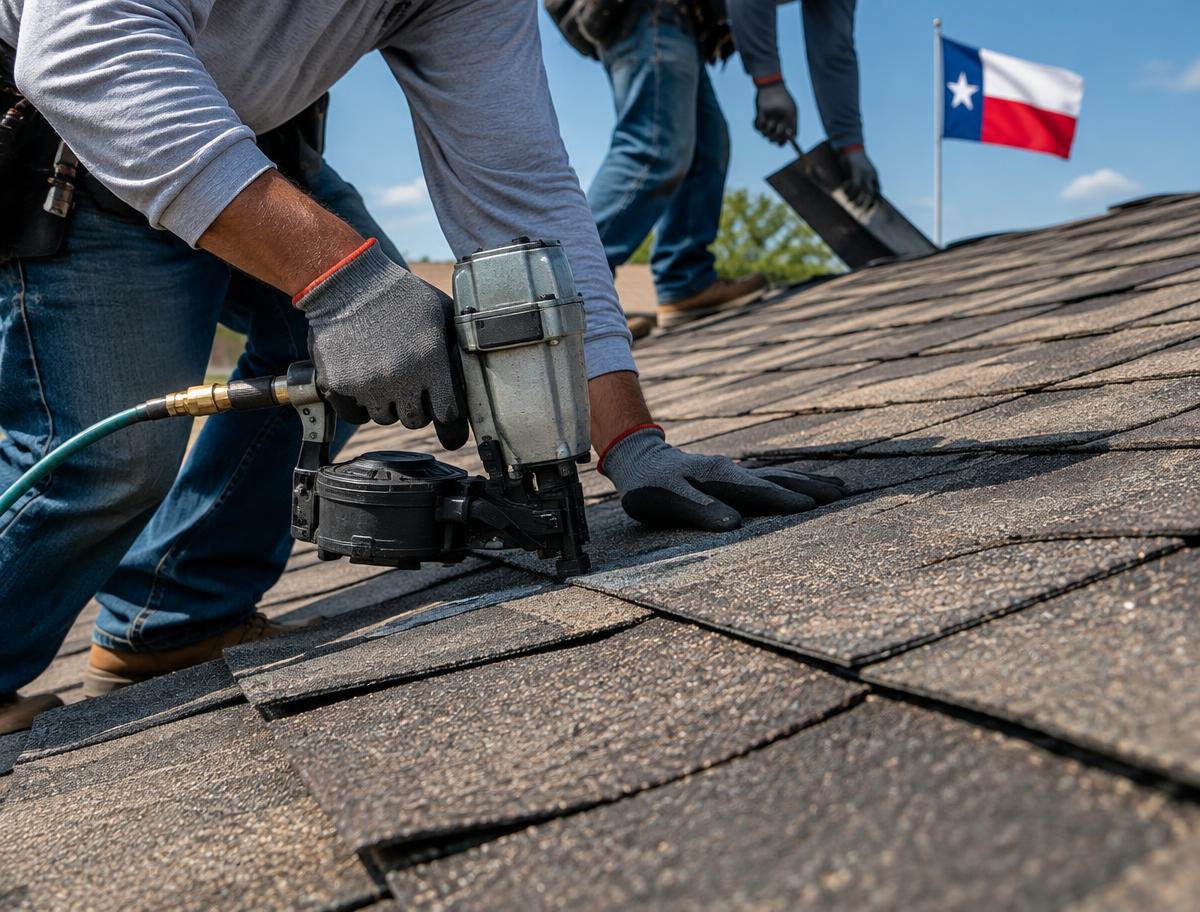
The adjuster meeting is the single most important appointment in your entire claim. Whatever gets documented that day becomes the basis for the estimate. Here's how we prepare our customers for it, and what you should expect to see happen on your roof.
Before the adjuster arrives
- Confirm the appointment time and ask if you can have your roofing contractor present
- Clear vehicles away from the driveway and garage so the adjuster and your roofer have full access to ladders
- Pull your policy declarations page so you have your deductible and coverage limits on hand
- Gather any photos or video you already took right after the storm
- Make a list of interior issues: ceiling stains, active leaks, or noises during storms
- Note the approximate date of the storm event you are claiming
What gets measured on the roof
A thorough adjuster inspection isn't just a walk around the yard looking up. Expect this level of detail:
Test squares
On each slope, or at least a representative sample, the adjuster (often alongside your roofer) marks out a 10-foot by 10-foot test square and counts hail hits within it. This count is compared against carrier thresholds to determine whether the damage meets the bar for full slope replacement versus a repair.
Chalk lines and hit marking
Hail hits are often circled with chalk so they can be counted and photographed clearly. This also helps confirm hits are randomly distributed, which is consistent with hail, rather than clustered in a pattern that might suggest another cause.
Slope and penetration counts
Every slope of the roof gets counted and measured, along with every penetration: plumbing vents, exhaust caps, HVAC curbs, skylights, and chimneys. Each of these needs new flashing or boots when a roof is replaced, and each should show up as its own line item on the estimate.

Photographs the adjuster should take
- 1Overall shots of each slope from the ground and from the roof
- 2Close-ups of hail hits within each test square
- 3Soft metal damage: gutters, downspouts, vent caps, AC fins, window screens
- 4Flashing, boots, and pipe jacks at every penetration
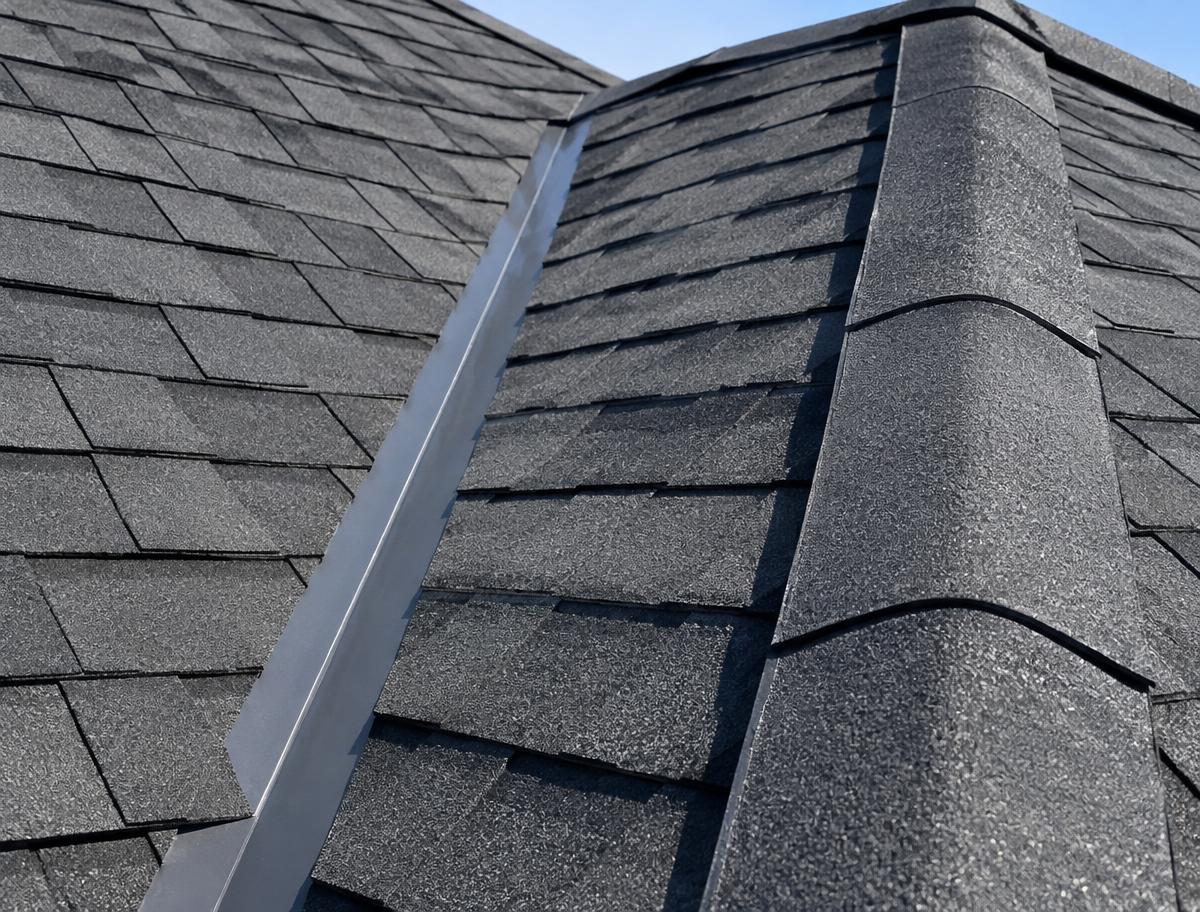
- 5Ridge cap and hip conditions
- 6Any visible decking issues found if a tarp or prior repair is removed
Interior damage to point out
Don't assume the adjuster will find interior evidence on their own. Walk them through, or clearly describe, any ceiling stains, attic moisture, insulation damage, or active drips. Take your own dated photos of these areas beforehand in case you need them later.
Code upgrade items to bring up
- Drip edge, which many older Houston-area homes were built without and which current code and manufacturer specifications call for
- Proper attic ventilation, including ridge vents or additional intake/exhaust balance
- Ice-and-water shield in valleys, standard on modern installs like our GAF-certified work
- Decking replacement if the tear-off reveals rotten or delaminated plywood
These items are frequently missed in an initial estimate and added later as a supplement, so raising them at the adjuster meeting can save a step.
After the meeting
Ask when you can expect the written estimate, and get the adjuster's direct contact information and claim number confirmed. Once you have the scope in hand, have your roofer review it line by line against their own inspection notes before you sign anything.
Frequently asked questions
Do I need to be home for the adjuster meeting?
It's a good idea, especially if you have interior damage to point out. At minimum, arrange for your roofing contractor to be present if you can't be.
How long does an adjuster inspection take?
A thorough inspection with test squares on multiple slopes usually takes 45 minutes to a couple of hours, depending on roof size and complexity.
What is a test square used for?
It's a standardized 10x10 foot sample area used to count hail hits per slope, which carriers use to help determine whether damage meets the threshold for replacement.
Can Redfish Roofing meet the adjuster if I can't be there?
Yes, we regularly attend adjuster meetings on a homeowner's behalf to make sure the roof is thoroughly documented, though you'll still want to be reachable by phone.
What if the adjuster only inspects from the ground?
Ask for a full roof-top inspection. If that isn't possible that day, request that your roofer's own rooftop photos and test squares be included in the file for review.