March 18, 2025 · 8 min · Houston · Cypress · Spring · Klein · The Woodlands
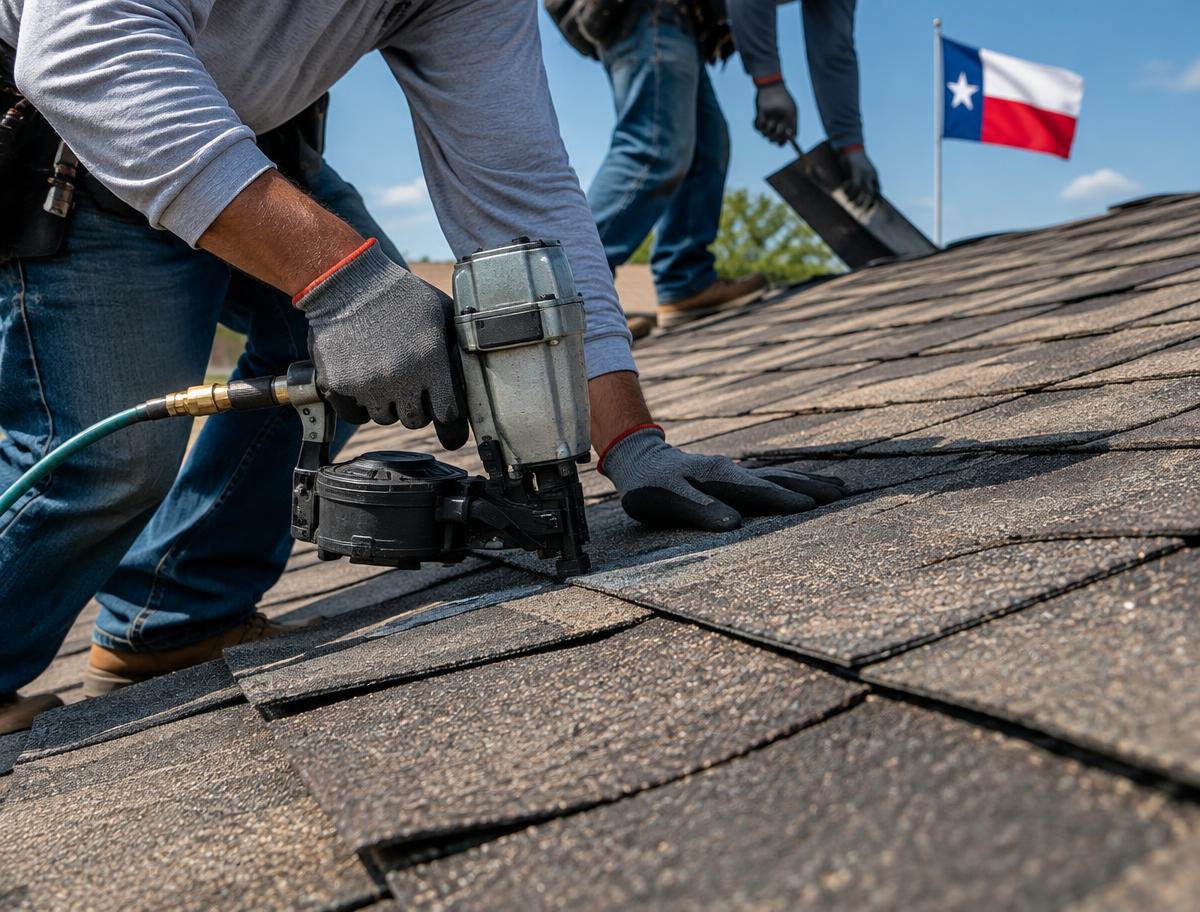
Hail is sneaky. A storm rolls through, the sun comes back out an hour later, and from the ground your roof looks completely fine. Weeks later you've got a leak in the ceiling and an insurance adjuster asking why you waited so long to file a claim. We've walked hundreds of Houston roofs after hailstorms, and the damage is almost never obvious from your driveway.
Bruising vs. blistering: what hail actually does to a shingle
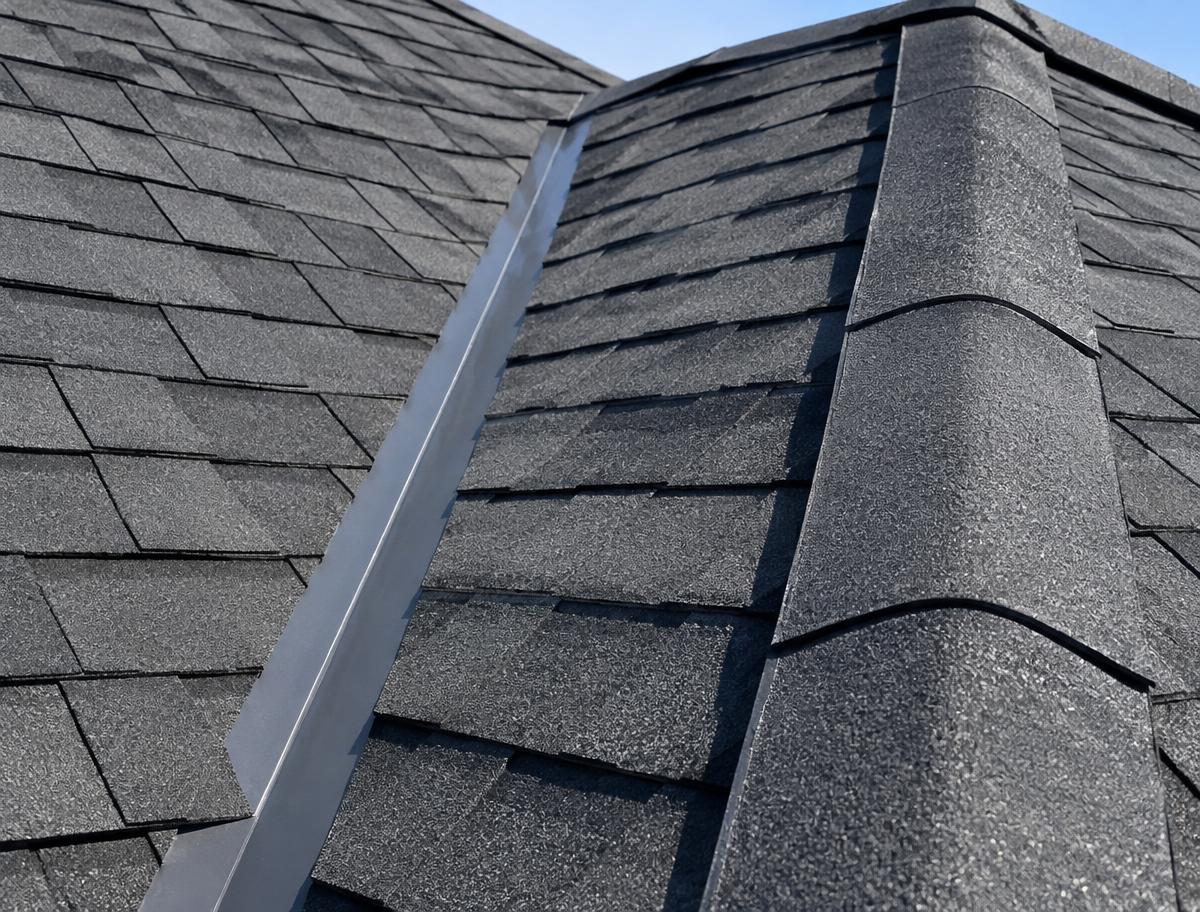
Hail damage on asphalt shingles usually shows up as one of two things. Bruising is a soft spot where the hailstone compressed the mat underneath the granules, knocking loose the protective ceramic coating without necessarily punching a hole. Press on it and it feels spongy compared to the surrounding shingle. Blistering happens when trapped moisture or manufacturing gas pockets in the shingle rupture on impact, leaving a raised, cracked circle. Both weaken the shingle's ability to shed water and block UV rays, even when there's no visible tear.
- Random, scattered dark spots with granule loss in a circular pattern
- Soft or spongy spots when pressed gently by hand
- Exposed black mat or fiberglass showing through the granules
- Dents or dings on soft metal — gutters, vents, flashing, AC housing
- Cracked or split ridge caps, especially on the roof's windward side
Why north and northwest Houston take the worst hits
If you live in Cypress, Spring, Klein, Tomball, or the northern edge of The Woodlands, you're in what local roofers call hail alley. Storm cells moving down from North Texas tend to intensify as they cross the Houston metro, and the northwest suburbs sit right in that path more often than neighborhoods closer to the coast. That doesn't mean homes in Houston proper, Katy, or Sugar Land are immune — it just means we see repeat hail claims cluster in those northwest zip codes year after year.
The first 72 hours after a hailstorm
- 1Photograph any visible damage from the ground — dented gutters, downspouts, siding, and fence caps are often the easiest to see and correlate with roof damage.
- 2Check your attic for new water stains, daylight through the decking, or a damp, musty smell.
- 3Do not walk your own roof. Wet or damaged shingles can shift underfoot, and a fall is not worth saving a phone call.
- 4Call a roofer you trust — or us — for a free inspection before you call your insurance company, so you know what you're dealing with.
- 5If you do have active leaking, get a tarp on it. See our guide on emergency roof tarping for how that process works and what insurance typically covers.
Watch out for storm-chasing door-knockers
After every major hail event, out-of-town crews show up knocking on doors, sometimes before the rain has even stopped. Some are legitimate. Many are not licensed locally, won't be around next year for a warranty claim, and pressure homeowners into signing contracts on the spot. A few red flags: they ask you to sign an assignment of benefits before they've even inspected the roof, they claim to represent your insurance company, or they offer to waive your deductible, which is against Texas law. A local roofer with a real address and a track record of pulling permits in Harris County isn't going anywhere after the check clears.
Repair or full replacement?
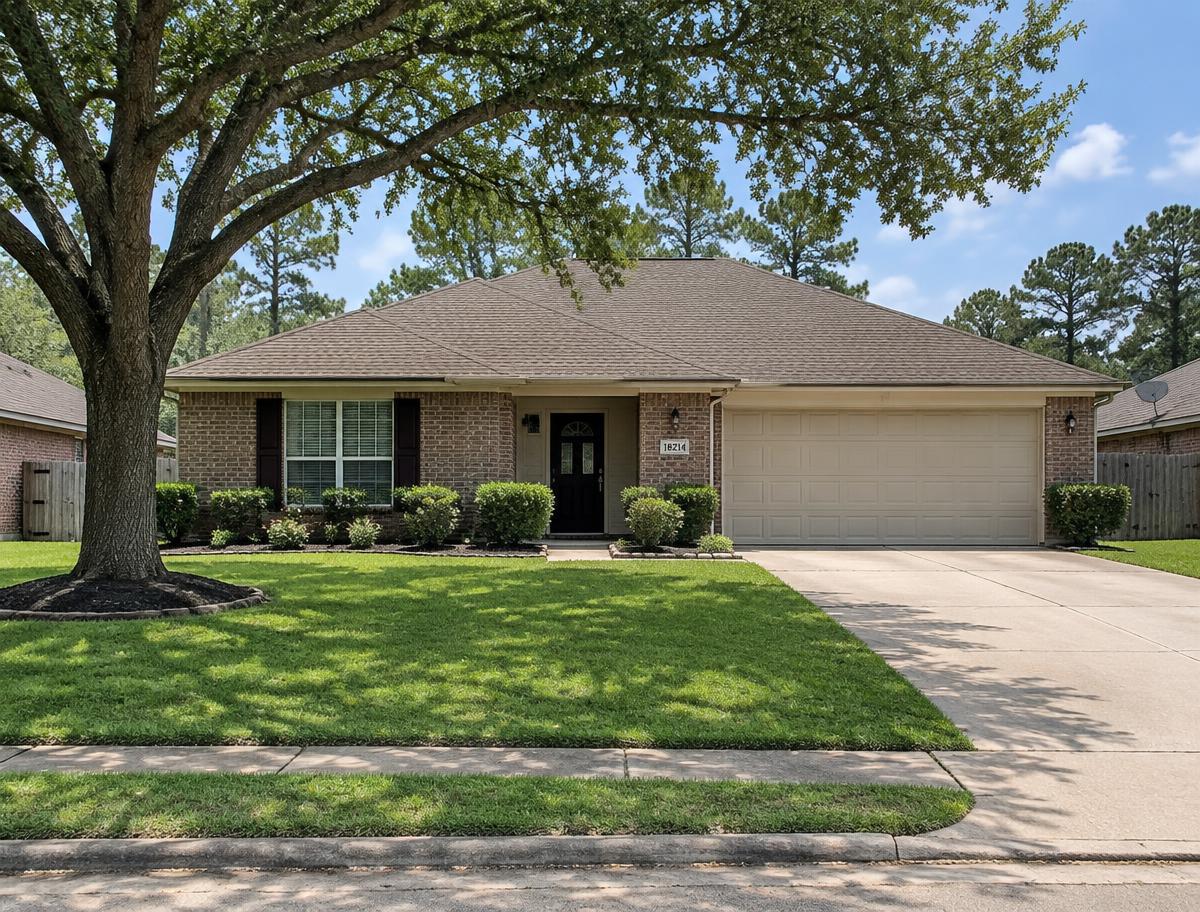
Isolated hail hits on a newer roof can sometimes be spot-repaired, but most insurance adjusters will approve a full slope or full roof replacement once a certain density of hail hits is documented per test square, since granule loss compromises the whole field of shingles even where impacts aren't clustered. We walk the entire roof, mark impacts, and document everything with photos before we ever talk numbers, whether you're filing a claim or paying out of pocket.
How we work with your insurance carrier
We work daily with insurance carriers on hail claims across greater Houston. That means we can meet your adjuster on the roof, point out damage they might otherwise miss, and give you a written scope that matches what your policy should actually cover. If you haven't filed yet, our insurance claims page walks through what that process looks like from first call to final check.
Request a free inspection
If a storm has come through your neighborhood in the last few weeks, it costs nothing to have us take a look. We'll tell you straight whether you have real hail damage or whether your roof came through fine — either way, you'll know instead of guessing.
Frequently asked questions
How long after a hailstorm can I still file a claim?
Most Texas insurance policies give you one to two years to file a hail claim, but the exact window is in your policy declarations. It's smarter to get an inspection soon after the storm while damage is easiest to document.
Will a hail inspection cost me anything?
No. We provide free roof inspections for hail and storm damage across the Houston area, whether or not you end up filing a claim.
Can I just repair the damaged shingles instead of replacing the whole roof?
Sometimes, if the damage is limited and your shingles are still in good shape overall. On older roofs or roofs with widespread hail hits, matching shingles and blending repairs gets difficult, and full replacement is usually the more durable, cost-effective route.
Does my insurance company send its own inspector?
Yes, your carrier will send an adjuster to assess damage. We recommend having your roofer present during that inspection so nothing gets missed or underscoped.
What if I don't see any damage from the ground?
That's normal. Hail bruising and granule loss are usually only visible up close or from the roof itself. A ground-level look is not a substitute for a real inspection.