
January 12, 2026 · 9 min · Houston · Katy · The Woodlands · Pearland · Sugar Land
This is a general, ongoing guide to how Houston's weather patterns affect roofs throughout the year, not a report on any single storm. We update our thinking on this page as seasons change, but the patterns themselves are pretty consistent: Houston gets hit by a different kind of weather threat almost every season, and each one leaves a distinct fingerprint on a roof. Knowing which season you're in helps you know what to actually look for.
Spring: hail season
Late winter through spring is when Houston sees its heaviest hail activity, particularly across the northern and northwestern suburbs like Cypress, Spring, Klein, and Tomball. Cold fronts colliding with Gulf moisture spin up strong storm cells capable of producing hail ranging from pea-sized to golf-ball-sized or larger. The damage signature is granule loss, shingle bruising, and dented soft metals like gutters and vent caps, often with no visible roof damage from ground level. Spring is the season we field the most hail-related inspection calls.
Summer: hurricane season
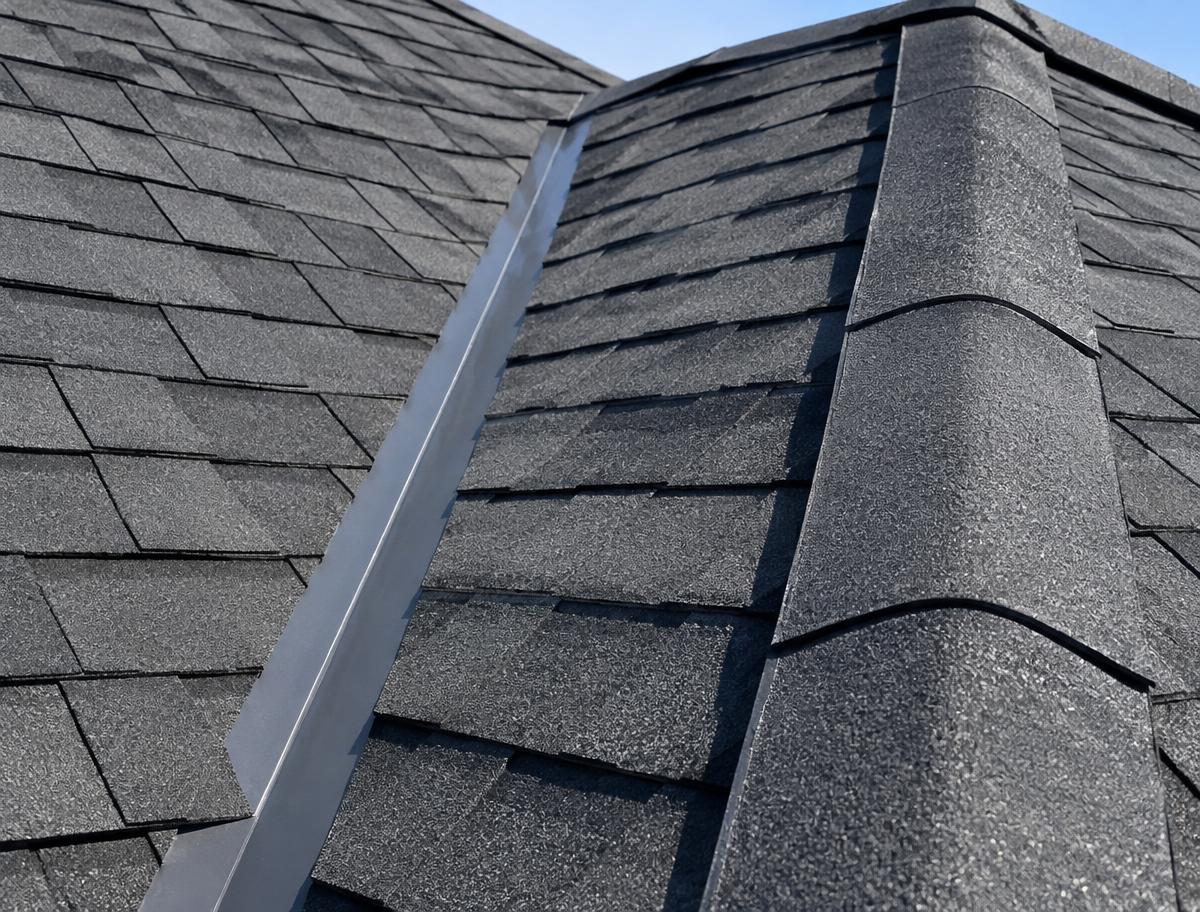
June 1 through November 30 is the Atlantic hurricane season, and Houston's peak exposure typically runs through the hotter summer and early fall months. Tropical systems bring sustained wind, wind-driven rain, and sometimes isolated tornadoes spun off from outer rain bands. Roof damage here tends to concentrate at ridges, hips, and roof edges where wind uplift is strongest, along with wind-driven rain intrusion around flashing and pipe boots. See our hurricane season roof prep guide for a full pre-season checklist.
Fall: squall lines and fast-moving fronts
As summer humidity starts to break, Houston gets a run of fast-moving squall lines and cold fronts that can bring brief but intense straight-line winds. These systems move through quickly, sometimes with little warning, and can produce localized wind damage — creased or missing shingles, downed limbs, and debris impacts — even without the sustained duration of a hurricane. Fall is also when a lot of homeowners are dealing with pine and oak debris that built up over the summer, which compounds wind damage on trees weakened by drought or storm stress earlier in the year.
Winter: freeze events
Houston winters are mild most years, but the occasional hard freeze puts unusual stress on roofing systems that aren't built with freeze-thaw cycling in mind the way northern roofs are. Ice that forms in valleys or around poorly insulated attic penetrations can back up under shingles as it thaws, and sudden temperature swings can cause brittle, aged shingles to crack. This is also when ice-and-water shield in valleys — standard on the roofs we install — earns its keep, since it protects against exactly this kind of freeze-related water intrusion.
General patterns, not a forecast
We want to be upfront: this page describes typical, general seasonal patterns for the greater Houston area based on how our crews see roof damage trend throughout the year. It is not a forecast for any specific storm, and we're not naming particular storm events, dates, or damage totals here. If you want to know what's happening on your roof right now, the only reliable answer comes from an actual inspection.
A simple seasonal roof check rhythm
- After any spring hail event, check for granule loss and get an inspection before filing or skipping a claim
- Before hurricane season starts, clear gutters, trim trees, and photograph your roof's current condition
- After fall squall lines, walk the yard for debris and check the attic for new stains
- After a winter freeze, check valleys and attic penetrations for signs of ice-related water intrusion
- At least once a year regardless of season, schedule a free inspection to catch anything the changing weather has quietly worn down
We track roof condition year-round
Redfish Roofing Company works across Houston, Katy, The Woodlands, Pearland, Sugar Land, and the rest of greater Houston in every season. Whether it's a spring hailstorm or a winter freeze, our team can inspect your roof, tell you what pattern the damage matches, and help you decide whether a claim, a repair, or simply keeping an eye on it makes the most sense.
Frequently asked questions
Is this report about a specific storm?
No. This is a general guide to Houston's seasonal storm and weather patterns and how they typically affect roofs, not a report on any single named storm or event.
Which season causes the most roof damage in Houston?
It varies by neighborhood and year, but spring hail and hurricane season each tend to generate the highest volume of roof damage calls we see across greater Houston.
How often should I have my roof checked given these seasonal patterns?
At minimum once a year, plus after any significant hail, wind, or freeze event in your specific neighborhood.
Does ice really damage roofs in a place as warm as Houston?
It can, especially during the occasional hard freeze. Ice that forms and thaws in valleys or around attic penetrations can force water back under shingles, which is part of why we install ice-and-water shield in valleys as standard practice.
Can you tell me if my specific roof was affected by a recent storm?
Yes, that's exactly what a free inspection is for. This page covers general patterns; an inspection tells you what's actually going on with your roof.