May 20, 2025 · 9 min · Houston · Sugar Land · Katy · Clear Lake · Pearland
Hurricane season runs June 1 through November 30 on the Gulf Coast, and if you've lived in Houston long enough, you know it's not a matter of if a storm will test your roof, it's when. The good news is that most catastrophic roof failures we see after a hurricane trace back to a handful of preventable weak points. A little prep in May goes a lot further than a scramble in August.
Understand wind uplift before the season starts
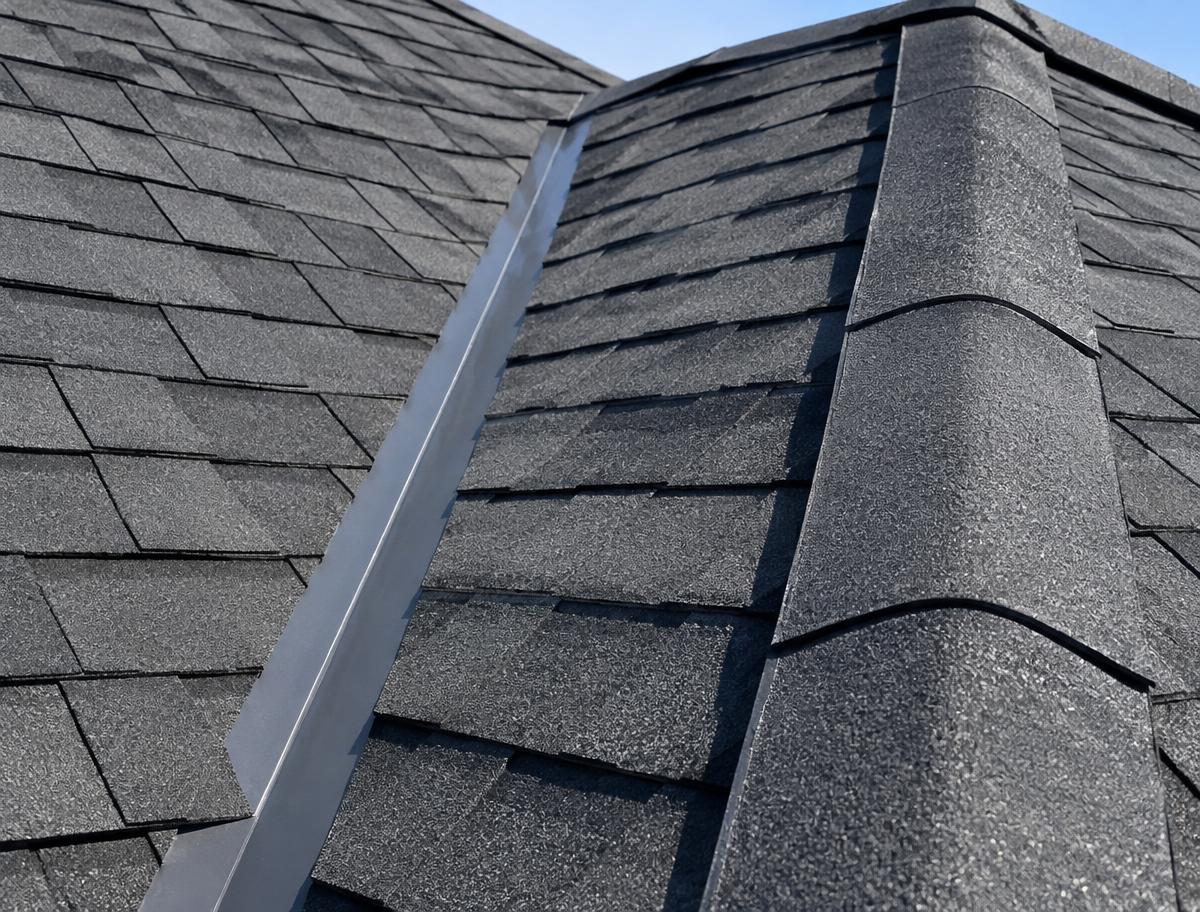
Wind doesn't just push on a roof, it lifts it. As air moves over your roofline, it creates negative pressure that pulls upward on shingles, especially at the edges, ridges, and hips where wind speeds accelerate around the geometry of the roof. This is why hurricane damage so often starts at the perimeter and works inward, rather than in the middle of a slope. A roof that's properly nailed, sealed, and finished with quality ridge components resists uplift far better than one with worn sealant strips or hand-nailed shortcuts.
The parts of your roof most likely to fail first
- Ridge and hip caps — these take the brunt of wind acceleration at the roof's high points
- Rake and eave edges — where wind first gets underneath a shingle course
- Older or worn sealant strips that never fully bonded in the Gulf humidity
- Pipe boots and flashing around chimneys, vents, and skylights
- Loose or missing shingles left over from earlier storm damage that was never repaired
What good hurricane-ready roofing looks like
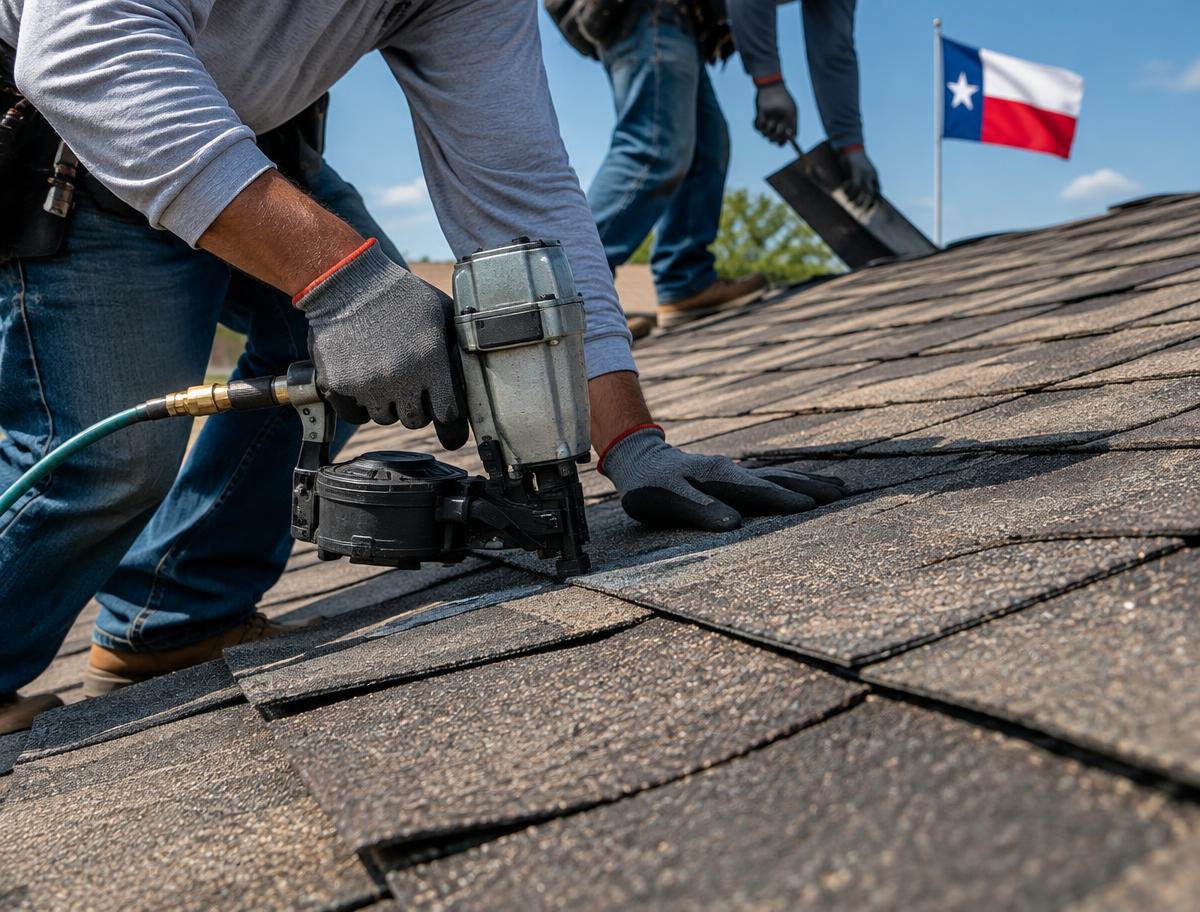
When we install a roof system with GAF Timberline HDz shingles and Z-Ridge components, along with RhinoHide synthetic underlayment and ice-and-water shield in the valleys, we're building in redundancy against exactly this kind of wind and wind-driven rain. A roof with proper decking attachment, sealed seams, and correctly fastened ridge caps holds up dramatically better than one that's just visually intact but cutting corners underneath.
Pre-season checklist
- 1Get a free roof inspection in late spring, before the season ramps up, to catch loose shingles or worn flashing early.
- 2Clean gutters and downspouts so heavy rain has somewhere to go instead of backing up under your roof edge.
- 3Trim tree limbs that hang over or near the roofline — falling limbs and wind-whipped branches are a leading cause of storm damage across Houston's tree-heavy neighborhoods.
- 4Check attic ventilation and insulation; a dry, well-ventilated attic handles wind-driven rain intrusion better than a damp one.
- 5Walk the property and photograph your roof, siding, and fence from several angles for your own records before storm season, so you have a clear before-and-after if you ever need to file a claim.
Document before the storm, not just after
One of the most useful things you can do costs nothing: take dated photos of your roof, gutters, and exterior now. If you ever need to make an insurance claim after a hurricane, having a clear before picture makes it much easier for your adjuster to confirm what changed. Keep those photos somewhere off your phone too — cloud storage or emailed to yourself works fine.
Your post-storm checklist
- Check the attic first for new water stains, light coming through the decking, or damp insulation
- Look at gutters and downspouts for granules, dents, or detachment
- Scan the yard and roofline for missing or lifted shingles, especially along ridges and edges
- If you find active leaking, get a tarp over it and start interior water damage mitigation right away
- Call for a free inspection before signing anything with a storm-chasing crew going door to door
We're here before, during, and after the season
Redfish Roofing Company handles pre-season inspections and post-storm repairs across greater Houston, from Sugar Land to Clear Lake to Katy. We work daily with insurance carriers, so if a named storm does leave damage behind, we can help you document it and move the claim forward. Request a free inspection any time — before a storm is even better than after one.
Frequently asked questions
When does hurricane season officially start and end?
The Atlantic hurricane season runs June 1 through November 30 each year, though Houston can see tropical activity slightly outside that window too.
How often should I have my roof inspected before hurricane season?
An annual inspection in spring, before the season ramps up, is a good baseline, especially if your roof is more than ten years old or has taken hail or wind damage in the past.
Does trimming trees really make a difference?
Yes. Overhanging limbs and dead branches are one of the most common sources of storm-related roof punctures and impact damage in Houston's older, tree-lined neighborhoods.
What's the difference between wind damage and hail damage?
Wind damage typically shows up as lifted, creased, or missing shingles concentrated at edges and ridges, while hail damage shows up as scattered granule loss and bruising across the field of the roof.
Should I tarp my own roof after a storm?
Only if you can do it safely from a ladder without walking on a wet or damaged roof. Otherwise, call a professional for emergency tarping — see our guide on emergency roof tarping in Houston.