July 8, 2025 · 8 min · Houston
Manufacturers publish lifespan numbers for their shingles, but those numbers assume fairly moderate conditions. Houston isn't moderate — we get intense summer UV, thick Gulf humidity, hailstorms, and hurricane-strength wind gusts most years. Here's a more realistic picture of how long a roof actually lasts here, by material, and what you can do to get every year you can out of it.
3-tab asphalt shingles
These are the most basic, least expensive shingle option, and they show it fastest under Houston conditions. Realistically, expect meaningful wear — granule loss, curling, brittleness — somewhere in the 12 to 15 year range, sometimes sooner if the roof has taken hail damage. We rarely recommend 3-tab shingles for new installs given the wind exposure here.
Architectural laminate shingles
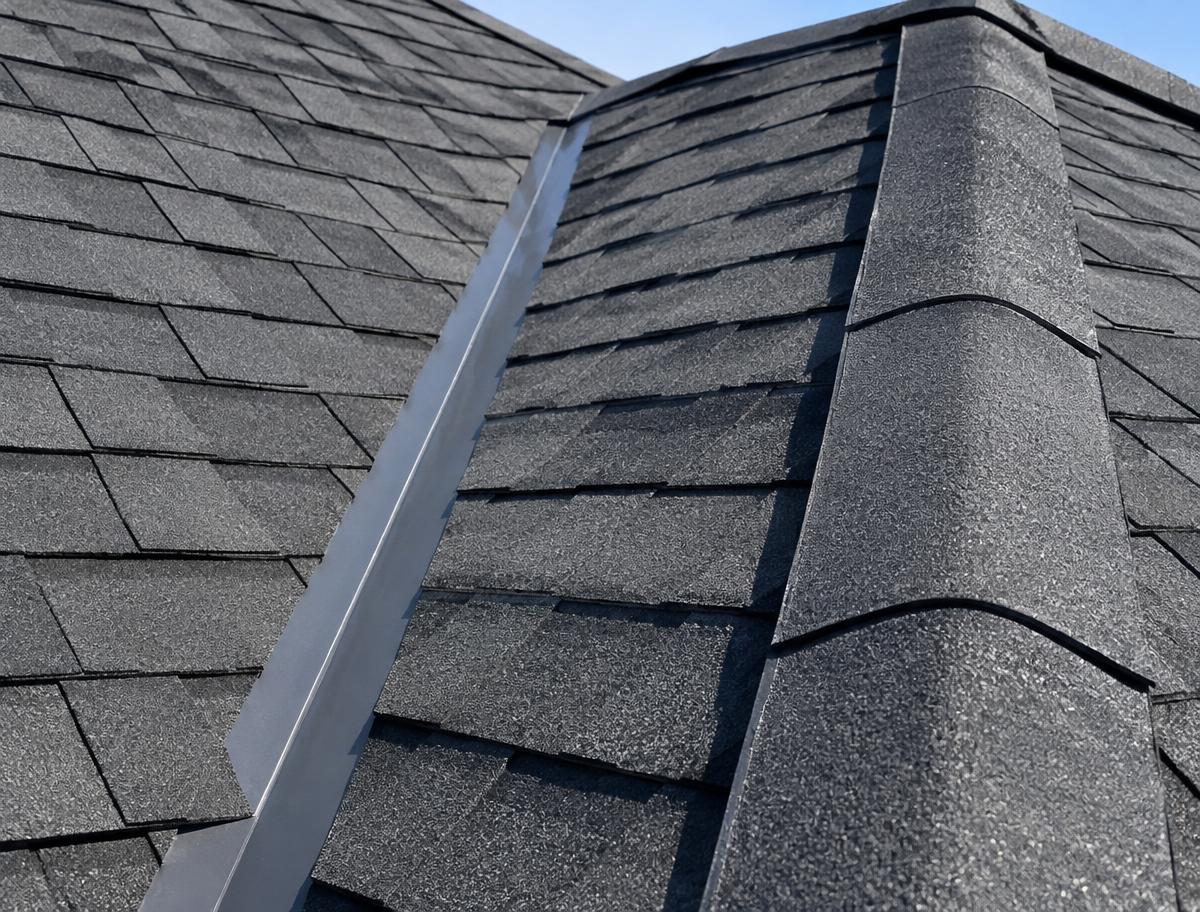
Products like GAF Timberline HDz, Owens Corning Duration, and Tamko Heritage are thicker, heavier, and generally hold up longer under UV and wind. With proper attic ventilation and reasonable storm luck, these commonly last in the 18 to 25 year range in Houston. Homes with poor attic ventilation or repeated hail impacts tend to land on the shorter end of that range.
Standing seam and exposed fastener metal roofing
Metal roofing generally outlasts asphalt by a wide margin — commonly several decades of service life, with standing seam typically outperforming exposed fastener because there are no exposed screws to maintain. Coating quality and installation matter a lot here; a properly installed standing seam roof is one of the longest-lasting options for Houston's climate.
What shortens roof life in Houston specifically
- Intense UV load: nearly year-round strong sun accelerates asphalt breakdown
- High humidity: promotes algae growth and slows drying after rain, which stresses shingles and decking
- Hailstorms: even shingles rated for impact resistance can take a beating in a bad hail year, and repeated impacts add up
- Hurricane and tropical storm winds: repeated high-wind events stress fasteners, flashing, and shingle edges over time
- Poor attic ventilation: bakes shingles from underneath in addition to UV exposure from above
A realistic maintenance schedule
Every 6 months
- Clear gutters and downspouts of debris
- Trim back tree limbs that overhang the roofline
- Visual check for obvious shingle damage after storm season starts
Annually
- Full roof inspection, ideally free through your roofer, checking shingles, flashing, and valleys
- Attic check for daylight, moisture, or ventilation issues
- Check sealant around vent boots, chimneys, and skylights for cracking
After any major storm
- Inspection for hail bruising, lifted shingles, or wind damage — often not visible from the ground
- Check attic for any new signs of water intrusion
- Photo documentation for insurance purposes if damage is found
Signs your roof is nearing the end of its realistic lifespan
Age alone doesn't tell the whole story — a 15-year-old roof that's weathered several major storms can be in worse shape than a 20-year-old roof in a more sheltered location. Watch for widespread granule loss, curling across multiple slopes, recurring leaks in different spots, and visible sagging. These are signs it's time for a real inspection rather than another patch repair.
We tell homeowners the truth about where their roof actually stands — sometimes that means more years, sometimes it means it's time.
Getting the most life out of your roof
The single biggest lever most homeowners can pull is attic ventilation — it protects your shingle investment from below while UV protects it from above. Beyond that, staying on top of gutter maintenance, trimming trees, and getting a free annual inspection catches small problems before they become expensive ones.
Not sure where your roof stands?
We'll give you a straight answer on how much life your current roof has left. Call (832) 640-5347 or email redfishroofingcompany@gmail.com for a free inspection.
Frequently asked questions
How long do asphalt shingles really last in Houston?
3-tab shingles typically show real wear in the 12-15 year range here, while architectural laminate shingles commonly last 18-25 years with proper ventilation and reasonable storm history.
Does metal roofing last longer than shingles in Houston?
Generally yes — a well-installed metal roof, especially standing seam, commonly lasts several decades, outperforming asphalt shingle lifespans by a wide margin.
What shortens roof life the most in Houston specifically?
Intense UV exposure, high humidity, hail, and hurricane-strength winds all take a toll, and poor attic ventilation compounds the damage by baking shingles from underneath.
Should I replace my roof based on age or condition?
Condition matters more than age alone. A roof that's weathered several major storms can need replacement sooner than an older roof in better shape. An inspection is the only reliable way to know.
How often should I get my roof inspected?
At least once a year, plus after any major hailstorm or high-wind event. Free inspections make this easy to keep up with.
Can better ventilation actually extend my roof's life?
Yes. Since shingles age from heat below as well as UV above, improving attic ventilation can meaningfully slow the breakdown process and help you get closer to a shingle's rated lifespan.