January 8, 2026 · 8 min · Houston · Heights · Memorial
Good documentation doesn't win a claim by itself, but poor documentation can sink one. Adjusters and carriers rely heavily on dated, clear evidence, and homeowners who build a solid file from day one tend to move through the claims process faster and with fewer disputes.
Before the storm: a baseline matters
If you know severe weather is coming, or even just once a year, take a full set of photos of your roof, gutters, siding, fence, and any outdoor equipment. A dated 'before' set makes it much easier to show exactly what changed after a specific storm event.
Immediately after the storm: stay safe first
Never get on the roof yourself, especially after a storm when conditions may be unstable. Document what you can see from the ground and through windows, and call a licensed roofing contractor for a proper rooftop inspection.
What to photograph from the ground
- Granules collecting in gutters, downspouts, or the driveway
- Dents in gutters, downspouts, window screens, and AC unit fins
- Any visible missing, lifted, or torn shingles
- Fence, siding, or paint damage consistent with wind-driven hail
- Debris in the yard: tree limbs, shingle pieces, flashing
- Wide shots of each side of the house showing the full roofline
Interior and attic evidence
Interior evidence is often what proves a leak is new and active rather than old and pre-existing. Photograph and date:
- Ceiling or wall stains, noting size and whether they're spreading
- Active drips or standing water, with a timestamp
- Attic insulation that appears wet, compressed, or discolored
- Visible daylight through the roof deck if a hole or gap is present
- Any musty odor or mold growth that developed after the storm
Why timestamps matter
Most phones automatically embed a date and time in photo metadata, but it's smart to also keep a simple written log: date, time, weather event, and what you observed. If your carrier or an adjuster ever questions when damage occurred, a consistent timeline of dated photos and notes is far more convincing than photos alone.
Emergency mitigation: keep every receipt
If a hole or missing shingles leave your home exposed, most policies require you to take reasonable steps to prevent further damage, such as a tarp over an exposed section. Keep every receipt related to this emergency work: tarps, materials, and any invoice from a contractor who performed temporary mitigation. These costs are typically reimbursable as part of your claim, separate from the roof replacement itself.
Building your claim file
- 1Create a single folder, digital or physical, for this specific storm event
- 2Add your before-storm baseline photos if you have them
- 3Add all after-storm photos, sorted by date
- 4Add your independent roofing contractor's inspection report
- 5Add emergency mitigation receipts
- 6Add the adjuster's report once you receive it
- 7Add all correspondence with your carrier, including emails and call notes with dates
Let a professional fill the gaps
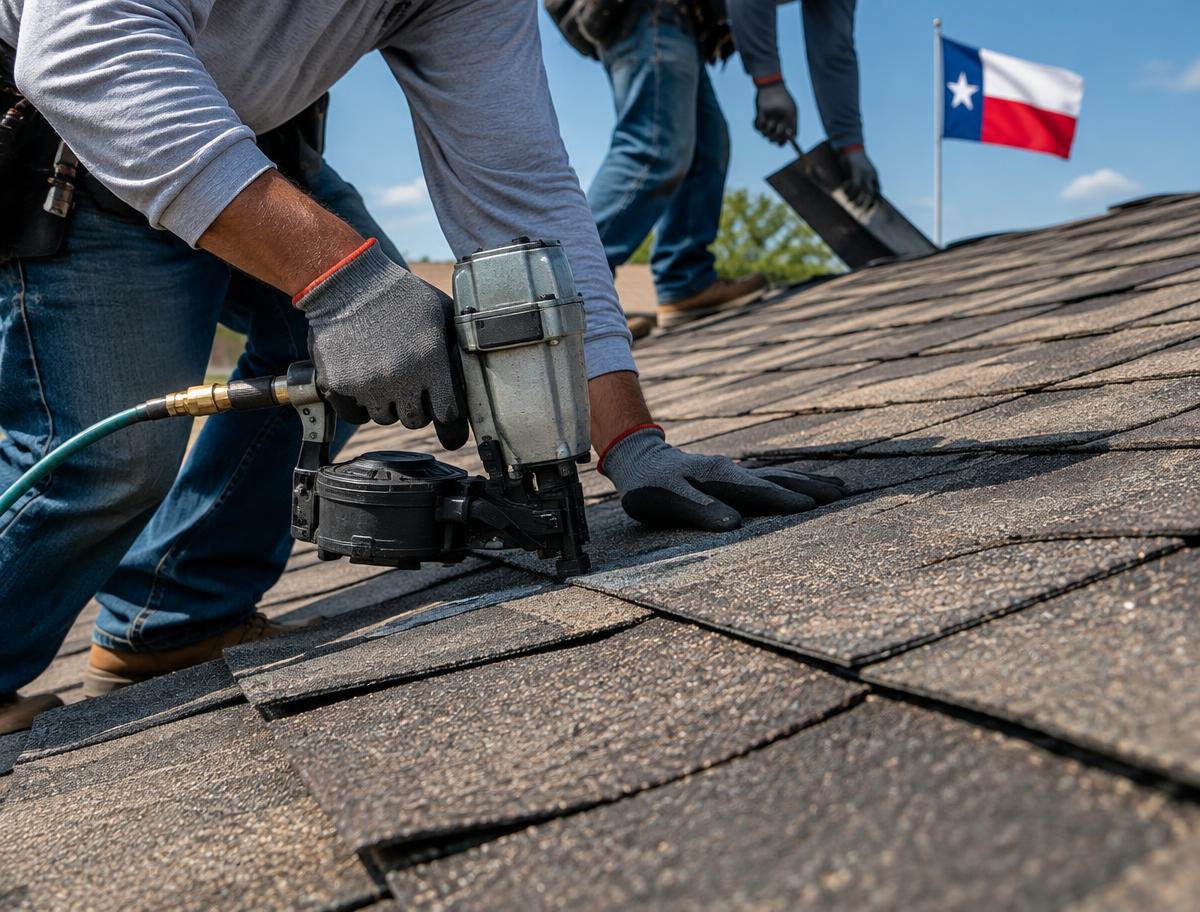
Homeowners are not expected to identify every technical issue, like flashing failures or improper ventilation, on their own. That's what a free inspection from a licensed roofer is for. We photograph systematically, slope by slope and penetration by penetration, and provide you with a written report that becomes part of your claim file.
Frequently asked questions
How soon should I take photos after a storm?
As soon as it's safe, ideally the same day. Conditions change quickly, debris gets cleaned up, and clear early documentation strengthens your claim.
Do I need professional photos, or are my phone photos enough?
Phone photos are a great start and should be taken right away. A professional rooftop inspection with close-up, labeled photography adds the technical detail adjusters look for.
What if I didn't take a before-storm baseline?
It's still possible to document damage effectively after the fact. A professional inspection can distinguish storm damage from pre-existing wear, though a baseline always helps.
Are emergency tarp costs covered by insurance?
Many policies reimburse reasonable emergency mitigation costs as part of a covered claim. Keep all receipts and confirm with your carrier what documentation they require.
Can Redfish Roofing help me organize my documentation?
Yes, our free inspection includes a written, photo-based report you can add directly to your claim file, organized by slope and area of the home.